
Renovating a home on a tight budget often feels like a balancing act between saving money and keeping your family safe. Cutting the wrong corner, whether it is skipping a permit or hiring the cheapest possible labor, can turn a modest project into a costly and dangerous mistake. The good news is that a smaller budget does not have to mean smaller safety standards. With some strategic planning, you can prioritize the systems and repairs that matter most while still finding real savings elsewhere.
Prioritize Structural and Safety Systems First
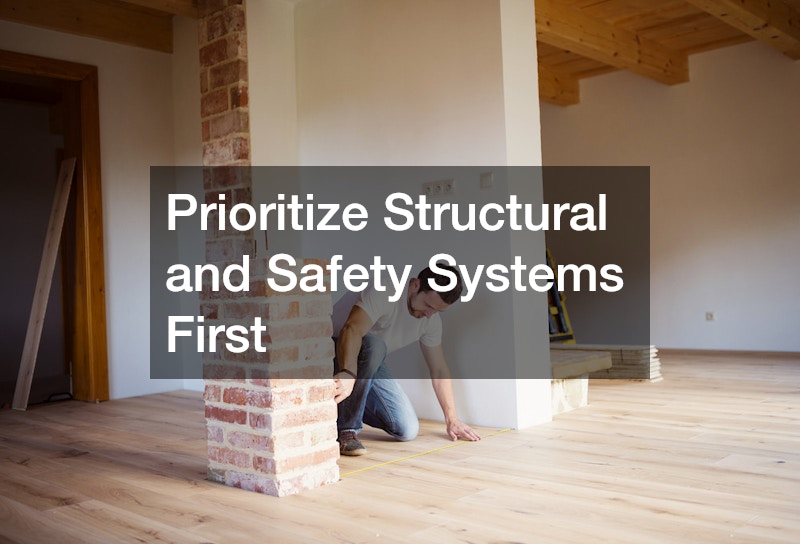
Before you start picking out paint colors or new fixtures, take stock of the systems in your home that directly affect safety. Electrical panels, plumbing, roofing, and HVAC components should always take priority over cosmetic upgrades, even when the budget is tight. A licensed inspector can typically assess all four for a few hundred dollars, and that upfront cost is far cheaper than discovering a problem mid-renovation.
Pay particular attention to warning signs: flickering lights or warm outlets often signal an overloaded panel, water stains on ceilings can point to a failing roof, and rust-colored water from taps may mean corroding pipes. An HVAC system past 15 years old is also worth a closer look, since a cracked heat exchanger can leak carbon monoxide without any obvious symptoms.
Deferring these repairs might save money in the short term, but small issues like a failing roof or outdated wiring tend to get more expensive and more dangerous the longer they are ignored. A minor roof leak left unaddressed, for example, can turn into rotted decking and mold remediation costing thousands more. Budget for these systems first, then let whatever remains guide your cosmetic choices.
Creating a simple hierarchy of needs versus wants can help you allocate funds wisely before a single dollar is spent on finishes or fixtures. Start by listing every system that could pose a health or safety risk if left unaddressed, then rank them by urgency rather than by how visible or exciting the fix might be.
At the top of that list should be structural issues like foundation cracks, sagging joists, or load-bearing walls compromised by previous renovations. Right behind them come electrical problems—outdated knob-and-tube wiring, overloaded panels, or missing GFCI outlets in wet areas—since these carry fire and shock risks. Plumbing leaks, especially those hidden behind walls, and any signs of mold or water damage also deserve immediate attention before they escalate into costlier repairs.
Environmental hazards common in older homes, such as asbestos insulation, lead paint, or radon, should be tested for early and factored into the budget even if they aren’t glamorous line items. A licensed inspector can typically flag these for a few hundred dollars, which is a small price compared to the health and legal liabilities of ignoring them.
Once these non-negotiables are identified, everything else—cosmetic upgrades, layout changes, high-end finishes—can be sorted into a “nice to have” tier and tackled only after the essentials are funded.
- Roofing and structural integrity: address sagging beams, water stains, or missing shingles before they lead to costly interior damage
- Electrical and plumbing systems: replace outdated wiring, aluminum wiring, or galvanized pipes that pose fire or leak hazards
- Heating and cooling equipment: repair or replace units over 15 years old to avoid carbon monoxide risks and mid-project breakdowns
- Windows and exterior doors: fix broken seals, rotted frames, or faulty locks that compromise insulation and security
- Foundation and drainage issues: correct cracks, poor grading, or clogged gutters that can cause water intrusion and settling
- Load-bearing walls: confirm any wall you plan to remove or alter isn’t structural before demolition begins
Test Older Homes for Hazardous Materials
Homes built before 1978 often contain hazardous materials that require special handling during renovation. If your project involves scraping, sanding, or demolishing painted surfaces, a certified inspection for lead paint renovation work is essential before any work begins. Disturbing lead-based paint without proper containment can release toxic dust into the air, putting your family and workers at risk.
Testing is relatively inexpensive compared to the potential health and legal consequences of skipping it. Many local health departments offer low-cost testing kits or can refer you to certified professionals who specialize in safe removal and containment procedures.
Hire Licensed Professionals for Critical Repairs
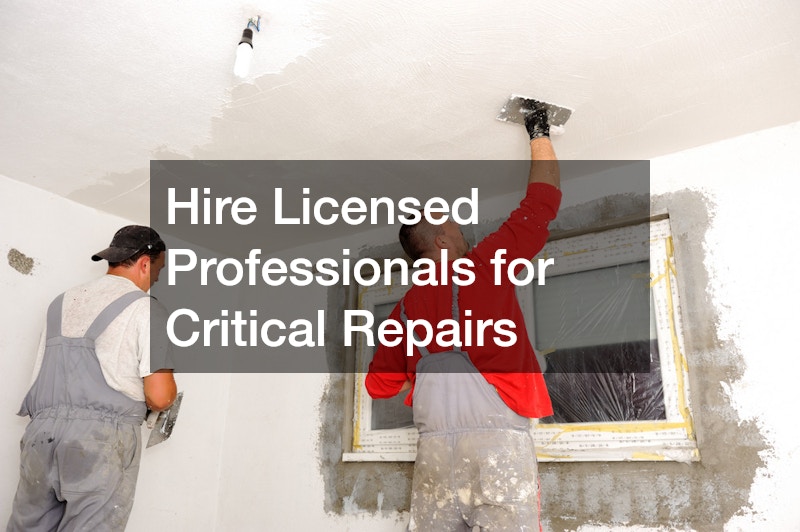
It can be tempting to save money by hiring unlicensed labor or attempting complex repairs yourself, but some jobs simply require professional expertise. A qualified remodeling home renovation contractor understands local building codes, permitting requirements, and safety protocols that protect both your investment and your family. Cutting corners on labor for structural, electrical, or plumbing work often leads to costly rework down the line.
Electrical panel upgrades, load-bearing wall removal, gas line work, and roofing repairs fall squarely into “hire a licensed pro” territory. These jobs carry real risks — fire hazards, structural collapse, carbon monoxide leaks — that far outweigh whatever you’d save doing them yourself. Many homeowners insurance policies also won’t cover damage caused by unpermitted or unlicensed work, which can turn a modest repair bill into a five-figure loss.
Before hiring a home renovation contractor, verify their license number through your state’s licensing board, ask for proof of liability insurance and workers’ compensation coverage, and request at least three recent references. A legitimate contractor will pull permits when required and welcome inspections rather than avoid them.
If budget is tight, consider a hybrid approach: hire licensed professionals for the technical, safety-critical portions of a project, then handle cosmetic work like painting, demolition, or landscaping yourself. This keeps costs down without gambling on the parts of your renovation that could injure someone or fail inspection.
When comparing quotes, resist the urge to automatically choose the lowest bid. A number that’s significantly below the others often means missing insurance, unlicensed labor, or corners quietly getting cut on materials and permits.
Instead, verify each contractor’s license number directly with your state licensing board, confirm they carry both general liability insurance and workers’ compensation, and ask for at least three recent references you can actually call. For electrical, plumbing, or structural work, insist on a specialty license rather than a general contractor’s word that “they handle it.”
Ask detailed questions about how the contractor plans to manage safety compliance: Will they pull permits before work begins? Who schedules the required inspections? How do they handle lead paint or asbestos if your home was built before 1978? A professional who answers these confidently and specifically is worth more than one offering the cheapest price with vague reassurances.
- Confirm active state licensing and liability insurance; verify status directly through your state’s licensing board website, not just the contractor’s word
- Ask for proof of workers’ compensation coverage to protect yourself from liability if someone is injured on your property
- Request three or more references from recent projects, ideally similar in scope, and actually call them
- Get a written scope of work with safety measures outlined, including permits required and who’s responsible for pulling them
- Verify insurance coverage amounts meet at least $500,000 to $1 million in liability, appropriate for your project’s size
- Check for any unresolved complaints or disciplinary actions through your state licensing board or the Better Business Bureau
- Put payment terms in writing, avoiding large upfront deposits — 10-30% down is standard, with the balance tied to completed milestones
Replace Aging Water Heaters Before They Fail
A water heater nearing the end of its lifespan is more than an inconvenience waiting to happen. Corroded tanks can leak, and in rare cases, pressure buildup can lead to dangerous ruptures. Scheduling a water heater replacement proactively, rather than waiting for a total failure, allows you to shop for the best price and avoid emergency service fees that come with after-hours repairs.
Newer units are also significantly more energy efficient, which means the upfront cost is often offset by long-term utility savings. Tankless models, while pricier initially, can last longer and take up less space, making them worth considering if your budget allows for a slightly higher investment now.
Plan Ahead for Roofing and Exterior Door Upgrades
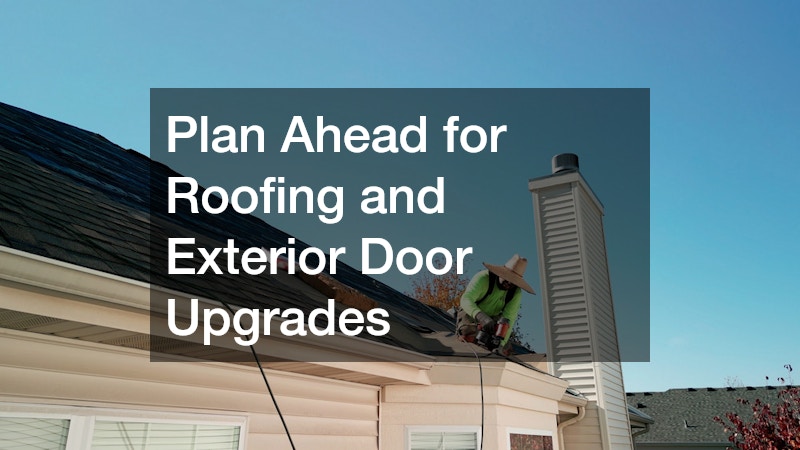
Your roof and exterior doors are the first line of defense against weather, intrusion, and energy loss. A roof replacement is one of the more expensive renovation line items, but delaying necessary repairs can lead to water damage, mold growth, and compromised structural integrity. Getting multiple quotes and scheduling the work during the contractor’s off-season can help you secure better pricing without sacrificing quality materials.
Exterior doors deserve the same attention as your roofline. If your patio door replacement has been on the back burner, consider that older sliding doors often have weak locking mechanisms and poor insulation, both of which affect safety and comfort. Bundling this project with other exterior work can sometimes reduce labor costs since the crew is already on site.
Upgrade Windows and Garage Doors for Better Protection
Windows and garage doors are frequently overlooked when homeowners think about safety, but both play a significant role in protecting your family. Older windows with broken seals or weak latches are easier to break into and less efficient at keeping out extreme temperatures, so window replacements should be evaluated room by room rather than tackled all at once if funds are limited.
Garage doors also deserve careful consideration since they are one of the largest moving objects in most homes. Outdated garage door replacements often lack modern safety sensors that prevent the door from closing on people, pets, or vehicles.
- Check for auto-reverse safety sensors
- Inspect springs and cables for wear
- Confirm proper insulation ratings for your climate
- Test manual release mechanisms regularly
Prepare Your Home for Power Outages
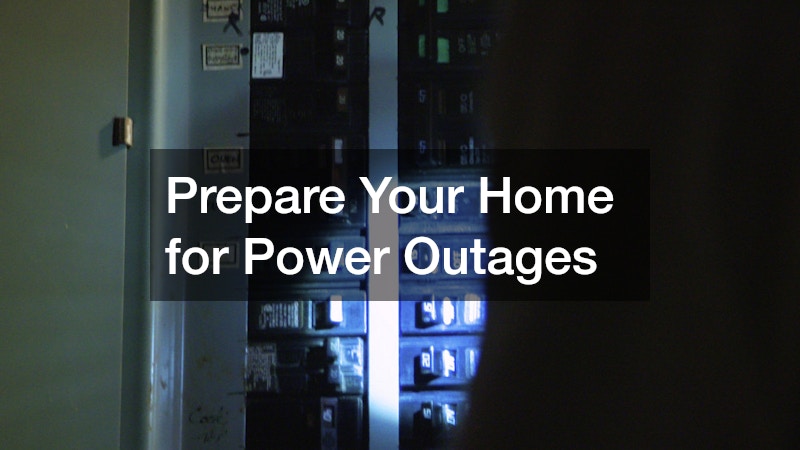
Extended power outages can create serious safety risks, especially for households with medical equipment, sump pumps, or extreme temperature sensitivities. Investing in a whole home generator replacement or upgrade ensures that critical systems keep running when the grid goes down. While this might seem like a luxury item on a tight budget, it can prevent far more expensive damage from frozen pipes or spoiled medication that requires refrigeration.
If a full system is out of reach right now, portable generators can serve as a stopgap solution while you save for a permanent installation. Just be sure to follow proper ventilation guidelines, since improper generator use is a leading cause of carbon monoxide poisoning in the home.
Address Pool Safety During Backyard Renovations
Backyard renovations often include a pool remodel, and safety should be part of the plan from day one rather than an afterthought. Cracked decking, faulty fencing, and outdated drain covers are common hazards found in older pools that homeowners frequently overlook while focusing on aesthetic upgrades. Addressing these issues during the remodel is far more cost effective than fixing them after an accident or code violation forces the issue.
Local codes typically require specific fencing heights, self-latching gates, and anti-entrapment drain covers, so check requirements before finalizing your renovation plans. A licensed pool contractor can help you balance visual upgrades with the non-negotiable safety features that protect everyone who uses the space.
Sequence Your Remodeling Projects Strategically
The order in which you tackle renovation projects can have a big impact on your overall budget and safety outcomes. Comprehensive remodeling should generally start with anything hidden behind walls or under floors, since those repairs become far more expensive once new finishes are installed. Rushing straight to cosmetic updates before addressing underlying issues is one of the most common budget-draining mistakes homeowners make.
A phased approach also allows you to spread costs over time without compromising on quality materials or skilled labor. Break your project into logical stages and set a realistic timeline for each phase.
- Address structural, electrical, and plumbing needs first
- Handle exterior upgrades like roofing and doors next
- Save purely cosmetic changes for the final phase
- Build a contingency fund into every stage
Stretching a renovation budget takes discipline, research, and a willingness to prioritize safety over shortcuts that only look like savings. By tackling critical systems first and being strategic about timing and contractor selection, you can protect your family without exceeding what you can afford. Start by making a list of your home’s most pressing safety concerns, get a few professional quotes, and build your renovation plan around those priorities.