
Every homeowner eventually confronts the natural effects of time, weather, and seasonal shifts on their house. Maintaining an eye-catching facade involves much more than sweeping the walkway or planting seasonal flowers along the front porch. The exterior envelope of a building serves as the frontline defense against heavy rain, intense heat, freezing winds, and airborne debris. When that boundary weakens, structural issues quickly creep inside, leading to compromised insulation, hidden leaks, and degraded building materials that cost thousands of dollars to remediate.
Strategic renovations and proactive maintenance yield immense dividends over the lifespan of a property. While interior projects often focus on comfort and personal aesthetics, outdoor improvements protect structural integrity and dictate neighborhood appeal. The appearance of your facade sets the tone for visitors, prospective buyers, and neighbors. Making calculated decisions about structural components, exterior systems, and surrounding greenery creates a residence that stays resilient in bad weather while maintaining exceptional architectural balance and enduring market value.
Investing thoughtfully in outdoor components also enhances daily living routines for everyone under your roof. Whether it entails quiet evenings in a manicured garden, reduced utility bills resulting from comprehensive weatherproofing, or peace of mind during severe storm warnings, outdoor renovations deliver practical benefits every single day. Navigating these home improvement options requires understanding how each exterior system functions, where routine maintenance ends, and where comprehensive replacement becomes the smarter financial move for your household.
Structural Shielding and Overhead Defense
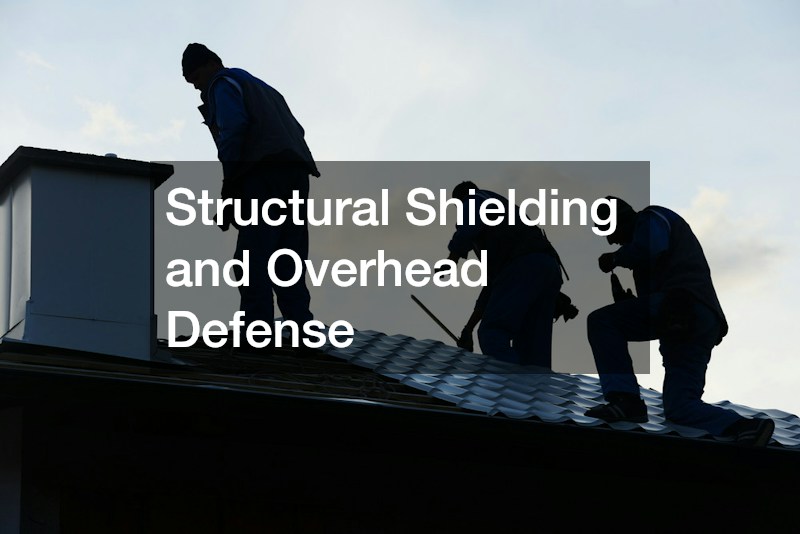
The roof remains the single most critical structural shield protecting a home from severe outdoor elements and seasonal precipitation. Moisture penetration, missing shingles, and cracked underlayment can trigger hidden wood rot across rafters and ceiling drywall long before a puddle appears on the living room floor. Homeowners must stay alert to subtle warning signs such as granulate loss inside gutters, flashing pulling away from masonry, and damp insulation inside attic spaces.
Routine checkups by trained roof repair services make it possible to identify compromised shingles and seal flashing lines around chimneys and vents before leaks develop into widespread structural decay. When deterioration spreads across more than a third of the decking surface, investing in a complete roof replacement guarantees that structural timbers, modern vapor barriers, and advanced ventilation assemblies meet updated building codes.
Inspecting Flashing and Clearing Water Runoff
- Clear gutters, downspouts, and valley channels twice each year to stop water from backing up beneath primary eaves and shingles.
- Inspect the thin sheet metal flashing around chimneys, dormers, and plumbing vents to catch bending, rust holes, or split caulking beads.
- Trim overhanging tree branches back at least ten feet from the ridge line to eliminate direct mechanical friction and prevent nesting wildlife from chewing through underlayment.
- Examine the attic during daylight hours to spot pinpoint sunlight penetration or dark, moldy patches along plywood seams.
- Verify that gutter spikes and hidden hangers hold drainage troughs at a uniform pitch toward downspout drops without sagging pockets.
Choosing Resilient Materials for Longevity
Selecting durable materials requires assessing local climate conditions, structural roof pitch, and architectural style. Working with experienced contractors specializing in local roof installation helps identify materials engineered to resist regional freeze-thaw cycles or extreme summer heat. In addition, consulting a licensed roofing business guarantees that attic soffits, intake louvers, and ridge vents are properly balanced to eliminate hot moisture pockets that prematurely warp shingles.
Modern asphalt architectural shingles offer multi-layered durability against wind uplift, while standing-seam metal panels shed heavy snow accumulations and reflect radiant summer heat away from living quarters. Natural slate and treated composite shakes offer distinct historical charm while offering outstanding fire resistance. Selecting high-grade materials backed by strong manufacturing warranties preserves building equity, elevates neighborhood curb appeal, and safeguards interior rooms beneath durable overhead protection.
Enhancing Ground Appeal and Natural Surroundings
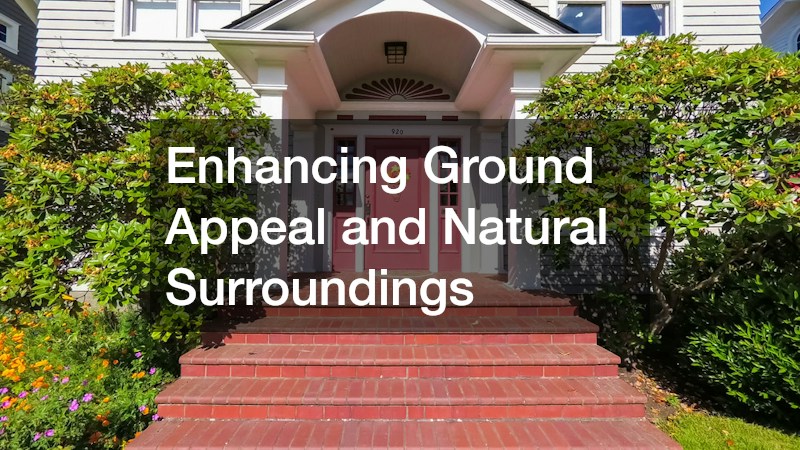
The grounds framing a home provide the visual foundation for the entire property. Well-planned outdoor spaces invite residents to spend more time outdoors, improve air circulation around exterior walls, and channel heavy precipitation safely away from foundational concrete slabs. Uneven topography and unmanaged runoff can cause foundational shifting, soil erosion, and cracked basement walls, making intentional site grading absolutely essential.
Integrating a thoughtful landscape design allows homeowners to combine native perennials, shade trees, decorative rock retaining walls, and functional walking paths into an attractive layout. Coordinating with an established landscaping company ensures that soil composition, automated irrigation lines, and drainage swales are calibrated to keep plant life thriving without flooding adjacent structural foundations.
Managing Slope and Surface Drainage
- Grade soil away from basement walls and perimeter stem walls with a minimum drop of six inches over the first ten feet.
- Direct gutter downspout extensions several feet into subterranean drain lines or designated gravel splash basins away from concrete flatwork.
- Install buried French drain systems across flat yard areas to capture excess ground moisture and divert hydrostatic pressure.
- Lay heavy permeable weed fabrics beneath decorative gravel beds to inhibit invasive growth while allowing rapid water percolation.
- Establish catch basins at low lawn points to collect sudden storm downpours and redirect water toward municipal retention swales.
Selecting Native Flora and Defining Walking Zones
Selecting native plant species minimizes routine water demands and provides natural resistance to regional insects and seasonal plant blights. Layering low-lying ground covers with medium flowering shrubs and canopy trees adds dimensional texture and vibrant color transitions to the yard throughout the changing seasons. Deeply rooted shrubs also anchor loose topsoil along inclines, preventing soil washouts during heavy rainstorms.
Edge all walking zones with durable stone pavers, tumbled brick, or poured concrete boundaries to establish crisp visual transitions between sod and garden beds. Permeable interlocking pavers provide stable footpaths while allowing rainwater to seep directly into the subsoil, reducing excessive surface runoff across driveway aprons and sidewalks.
Fortifying Openings and Facade Entryways

Doors, windows, and exterior garage entries represent vulnerable breach points in the outer envelope of any residence. Ill-fitting frames permit conditioned indoor air to escape, elevating summer cooling and winter heating costs. These exterior entryways also sustain significant wind pressure during severe weather, meaning that warped or aged framing materials can buckle under sudden pressure differentials.
Replacing aging tracks, worn torsion springs, and rusted garage door hardware keeps heavy access panels operating safely and quietly throughout daily use. For homes situated along coastal zones or open plains, upgrading windows and entry doors to withstand hurricane impact prevents structural blowouts and shields occupants from airborne debris during dangerous storms.
Sealing Gaps and Replacing Weatherstripping
- Test rubber perimeter bulb seals and door sweeps by closing access doors over a piece of paper; if it slides out easily, replace the seal.
- Apply exterior-grade silicone or polyurethane elastomeric caulking along all siding-to-casing joints around window and entry casings.
- Balance torsion spring tension and lubricate steel tracking rollers twice annually using non-silicone penetrating garage lubricant.
- Replace brittle wooden trim along ground-level door thresholds with composite rot-proof materials that repel dampness.
- Fasten interlocking metal threshold plates with stainless steel screws to prevent draft infiltration along exterior door sills.
Upgrading to Reinforced Assemblies
Heavy storm conditions exert immense pressure on wide exterior spans such as two-car garages and patio sliders. Reinforcing overhead garage doors with horizontal steel struts prevents panels from flexing inward under atmospheric wind loads. Upgraded entry systems featuring multi-point locking mechanisms secure doors firmly into structural studs, deterring forced entry and keeping panels firmly sealed against wind-driven rains.
Insulated fiberglass entry systems deliver excellent thermal efficiency, resisting the denting, warping, and peeling common to older wooden doors. Pairing solid entry frames with laminated shatter-resistant glazing ensures maximum security across every exterior wall. Heavy-duty composite jambs eliminate the threat of rot around baseboard corners, ensuring that entry portals remain airtight and structurally sound for decades.
Creating Backyard Living and Aquatic Retreats

Modern residential trends place high value on backyard living spaces that serve as private personal retreats. Patios, outdoor kitchens, and swimming features transform underutilized turf into functional entertaining areas for gatherings and daily relaxation. Developing these projects requires precise engineering, soil testing, and plumbing coordination to integrate water features seamlessly with the existing topography.
Consulting with luxury pool builders enables homeowners to construct customized shotcrete or gunite swimming structures featuring integrated spas, zero-edge horizons, and natural stone decking. Meanwhile, choosing a qualified local pool company ensures that water filtration plumbing, energy-efficient circulation pumps, and sanitation equipment are properly configured for the regional climate.
Designing Functional Circulation and Patio Layouts
- Establish distinct outdoor functional zones by separating sunbathing decks, dining spaces, and mechanical pool filtration equipment pads.
- Select textured, heat-resistant stone pavers or non-slip stamped concrete flatwork around all water perimeters to enhance pedestrian safety.
- Run underground electrical conduit to accommodate perimeter landscape illumination, low-voltage lighting, and safety alarms.
- Build low retaining walls or stepped planter boxes to gracefully accommodate sloped terrain surrounding hardscape patios.
- Position shade pergolas and umbrellas to provide cool relief during peak afternoon sun exposure across open patio expanses.
Maintaining Water Features for Longevity
Properly maintaining water features prevents surface staining, calcification, and equipment failures over seasons of heavy use. Regularly testing water balance stabilizes pH and alkalinity, protecting interior plaster finishes from etching or mineral scaling. Skimming fallen leaves and emptying pump baskets every week ensures consistent water turnover through the primary sand or cartridge filters.
Automatic swimming covers preserve heat, minimize water evaporation during sunny months, and keep yard debris out of skimmer assemblies. In colder regions, purging underground plumbing lines with compressed air before the first winter freeze prevents split pipes, cracked manifold valves, and costly underground leaks when spring arrives.
Protecting Exterior Surfaces and Masonry
Siding and masonry represent the primary canvas of your home, and their ongoing condition directly affects property value and neighborhood presentation. Painted wood, fiber cement panels, vinyl cladding, and brickwork endure unrelenting exposure to ultraviolet radiation, driving rain, and winter temperature swings. Without continuous attention, paint chips away, mortar joints crumble, and moisture seeps into the framing layers behind the surface.
Washing exterior walls gently eliminates built-up dirt, mildew spores, and corrosive grime before they degrade protective paints. Re-pointing damaged mortar beds with matching composition keeps brick chimneys and stone facades structurally sound for decades to come, preventing rain from penetrating exterior walls and deteriorating interior plaster.
Washing Cladding Without Causing Surface Damage
- Use low-pressure nozzles paired with mild biodegradable cleaners when washing wood siding, vinyl panels, or stucco to avoid driving water into wall cavities.
- Scrub algae and mildew stains using soft-bristle brushes mounted on telescoping poles instead of high-pressure streams that strip protective finishes.
- Check siding lap joints after washing to confirm weep holes are open and drainage channels remain free of debris.
- Avoid directing water jets toward electrical fixtures, wall vents, and attic soffit vents.
- Rinse surfaces from the top downward to flush suspended dirt smoothly off lower siding panels and foundation skirts.
Repointing Brickwork and Resealing Surfaces
- Scrape away soft, flaking mortar to a depth of half an inch before tuck-pointing joints with fresh mortar matched to the existing historic hardness.
- Apply breathable, silane-siloxane penetrating sealers over exposed vertical masonry surfaces to stop water absorption while permitting internal vapor to escape.
- Scrape, prime, and coat exterior wood features using pure acrylic latex paints that expand and contract during seasonal temperature swings.
- Caulk structural joints where siding meets masonry chimneys with flexible, non-shrinking masonry sealants.
- Inspect window sill brick ledges for hairline cracks and seal them immediately to prevent water intrusion into wall studs.
Illumination, Pathways, and Finishing Accents
Finishing elements tie together all major structural and landscape improvements into a cohesive, polished exterior design. Thoughtfully placed outdoor fixtures heighten nighttime security, illuminate walking hazards, and showcase architectural textures after twilight. Upgraded fixtures also update the visual character of a property without demanding large capital outlays or invasive construction work.
Low-voltage LED lighting arrays installed along walkways, garden perimeters, and front entries consume little electricity while providing steady visibility. Choosing durable brass, marine-grade aluminum, or copper fixtures protects outdoor lighting hardware from early corrosion, tarnish, and weather damage, ensuring fixtures look handsome year after year.
Installing Energy-Efficient Illumination
- Position warm-toned LED downlights along walkways and step risers to illuminate footing hazards without casting glare into neighboring windows.
- Use upward-facing spotlighting cautiously against textured stone surfaces, architectural pillars, or specimen trees to create subtle depth.
- Wire lighting systems into automated astronomical timers or smart relays that calibrate on and off cycles with changing sunset times.
- Shield outdoor light sources to direct beams downward, preserving dark night skies while illuminating desired surfaces.
- Add motion-sensor floodlights near secondary entryways, garage alleys, and storage sheds to enhance security around vulnerable property corners.
Selecting Timeless Hardware and Accents
Upgrading faded house numbers, wall-mounted mailboxes, and exterior door hardware produces an immediate visual lift. Selecting unified hardware finishes, such as matte black or oil-rubbed bronze, establishes a coordinated aesthetic across all front-facing elements. New hardware delivers a crisp, tactile impression that visitors notice the moment they reach your front threshold.
Modern composite porch columns and rot-resistant decorative brackets replace split wood elements, delivering crisp lines that require minimal repainting over the years. Installing heavy-duty, rust-resistant hinges and decorative strap accents across exterior gates and shutters adds bespoke character to everyday utility zones.
Protecting Your Property for the Long Term
Every exterior upgrade works as part of an interconnected structural protective system. A durable roof diverts water toward clear gutters, which carry runoff away from landscaped plant beds and sturdy foundations. Sealed doorways and reinforced windows lock out severe wind pressures, while durable finishes protect siding assemblies against constant environmental exposure and damaging moisture infiltration.
Prioritizing exterior home upgrades based on safety, structural defense, and practical maintenance creates a reliable living environment for your household. When owners address small repairs early, they avoid expensive structural restoration down the road. Committing to thoughtful improvements ensures your home stands strong, functions efficiently, and maintains its architectural beauty across all seasons.