When we hear the phrase “zero-waste lifestyle,” our minds jump to familiar daily habits. We picture sorting cardboard into recycling bins, setting up a backyard compost pile, and bringing reusable tote bags to the grocery store. While these daily micro-habits are undeniably essential for reducing our ecological footprint, they only address a fraction of the total waste generated by a modern household. The reality is that the most significant forms of waste in our homes are often invisible to the naked eye. Massive amounts of resources are squandered silently behind our drywall, beneath our floorboards, and through the very exterior envelope of our houses. Hidden energy loss, untreated water leaks, and the constant cycle of replacing cheap, disposable household materials contribute to a staggering amount of environmental degradation. Addressing these invisible drains requires a shift in perspective. Instead of solely focusing on what we throw away in the trash can, we must look at how our homes operate as holistic systems. By committing to strategic, long-term upgrades, homeowners can radically shrink their carbon footprint, reduce their landfill contributions, and simultaneously enjoy dramatic reductions in their monthly utility bills. By strategically upgrading your home’s envelope, operating systems, and interior materials, you can drastically minimize energy, water, and material waste for a profoundly more sustainable lifestyle.
Stop Buying Plastic Bottles and Fix Hidden Leaks

Water conservation is one of the most critical pillars of environmental stewardship, yet the average residential property squanders thousands of gallons of clean, treated water every single year without the homeowner even realizing it. Furthermore, the quest for clean drinking water often leads families to rely heavily on single-use plastics, creating a dual-front crisis of resource depletion and physical pollution. The environmental toll of bottled water is staggering, from the fossil fuels required to manufacture the plastic to the greenhouse gases emitted during transportation. To combat this, homeowners must ditch the plastic habit permanently.
Integrating home water filtration systems directly into your kitchen sink or refrigerator line is a highly effective way to eliminate the perceived need for single-use plastic bottles while drastically reducing your family’s microplastic consumption. When you have access to crisp, purified water straight from the tap, the convenience factor of bottled water completely disappears. But addressing drinking water is only the first half of the equation; the second half involves hunting down and stopping passive water waste.
Consider implementing the following actionable strategies to optimize your water usage:
- Audit your fixtures for micro-leaks: A faucet that drips just once per second can waste over three thousand gallons of water in a single year. Conduct a thorough visual inspection of every sink, showerhead, and exterior spigot to ensure completely tight seals.
- Perform a water meter test: Turn off all water sources inside and outside your house, then check your water meter. If the dial is still moving, you have a hidden leak somewhere in your pipes that is actively wasting resources.
- Hire a professional plumbing company to conduct a comprehensive audit of your aging pipes and install high-efficiency, low-flow toilets and aerators that maintain pressure while cutting water volume.
- Investigate greywater diversion: Consider rerouting the relatively clean wastewater from your showers and bathroom sinks to irrigate your outdoor garden, ensuring that every drop of water is utilized twice before re-entering the municipal system.
Calibrate Your Climate Control to Minimize Fossil Fuel Waste
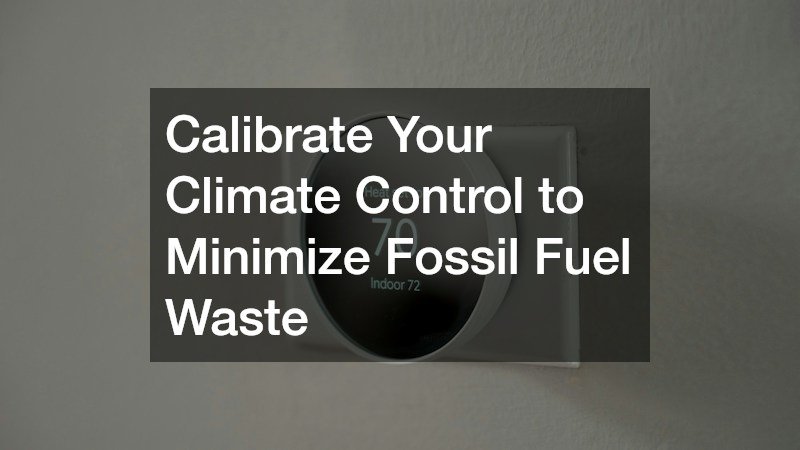
The systems we use to heat and cool our living spaces are responsible for the vast majority of the energy consumed within a standard residential property. Consequently, they are also the primary culprits when it comes to fossil fuel waste and excessive greenhouse gas emissions. Outdated, poorly maintained, or improperly sized climate control systems burn through excess electricity and natural gas simply to maintain a baseline level of comfort. Slashing this energy waste requires proactive optimization rather than reactive scrambling when a system completely breaks down in the middle of a brutal season.
Routine maintenance is the most effective defense against unnecessary energy consumption. When a furnace or air conditioning unit is forced to push air through clogged filters, dirty ducts, or compromised condenser coils, the internal motors must work exponentially harder, drawing massive amounts of excess power. Scheduling regular seasonal tune-ups with professional HVAC services ensures that your blower, condenser, and internal mechanical components are operating at peak, factory-rated efficiency. A thoroughly cleaned and calibrated system translates directly to less fuel burned and fewer emissions released into the atmosphere.
To further curb climate control waste, implement these targeted strategies:
- Address minor inefficiencies immediately: Never ignore minor clanking noises, strange odors, or uneven room temperatures. Investing in prompt heating repairs at the first sign of a struggle prevents a failing furnace from wasting exorbitant amounts of fuel all winter long.
- Integrate a smart thermostat: Replace your manual or rudimentary programmable thermostat with an intelligent, Wi-Fi-enabled model. These devices learn your daily schedule and adjust the temperature automatically, ensuring you never waste energy heating an empty living space.
- Utilize automated geofencing: Many modern smart thermostats offer geofencing capabilities, which track your smartphone’s location. The system will automatically dial back the climate control when you leave the neighborhood and bring the house back to a comfortable temperature just as you return.
- Clear away obstructions: Ensure that furniture, heavy curtains, and rugs are not blocking your return and supply registers. Blocked vents force the system to run longer cycles to achieve the desired ambient temperature, wasting valuable energy in the process.
Cut Phantom Power and Transition to Smart Illumination
Electrical waste is an insidious problem because it is entirely invisible. We cannot see the electricity bleeding out of our outlets or being over-consumed by outdated fixtures, but the environmental impact of this unchecked consumption is immense. Eradicating electrical waste requires a multifaceted approach that addresses both the visible light we rely on and the invisible current drawn by the myriad of appliances populating our modern living spaces. The first step in this process is reevaluating how we illuminate our surroundings.
If you are still relying on traditional incandescent or even early-generation CFL bulbs, you are actively converting electricity into wasted heat rather than usable light. Incandescent bulbs, for instance, waste nearly ninety percent of their energy as heat. Implementing comprehensive house lighting upgrades is one of the fastest, most effective ways to permanently halt daily electricity waste. By transitioning exclusively to advanced LED technology, you can reduce your lighting energy consumption by up to eighty percent while enjoying bulbs that last decades longer, thereby keeping glass and filament waste out of landfills.
Beyond illumination, take these steps to secure your electrical efficiency:
- Eliminate vampire draw: Also known as phantom loads, vampire draw occurs when plugged-in electronics and appliances consume standby power even when they are turned off. Televisions, microwaves, and computer chargers are notorious culprits.
- Utilize smart power strips: Combat phantom loads by plugging localized clusters of electronics into smart power strips. These intuitive devices can detect when a primary device is powered down and subsequently cut the electrical current to all secondary peripheral devices.
- Consult a residential electrical contractor to inspect homes built before the late nineteen-nineties. Older properties often feature outdated electrical panels and degrading wiring that lose significant amounts of energy to thermal resistance. A professional can update your panel and optimize your grid.
- Hardwire for efficiency: Install permanent dimmer switches in your primary living areas. Dimming a light fixture by just twenty percent saves a proportional amount of electricity and dramatically extends the functional lifespan of the bulb, further reducing physical waste.
Stop Passive Energy Loss by Sealing Your Exterior Envelope
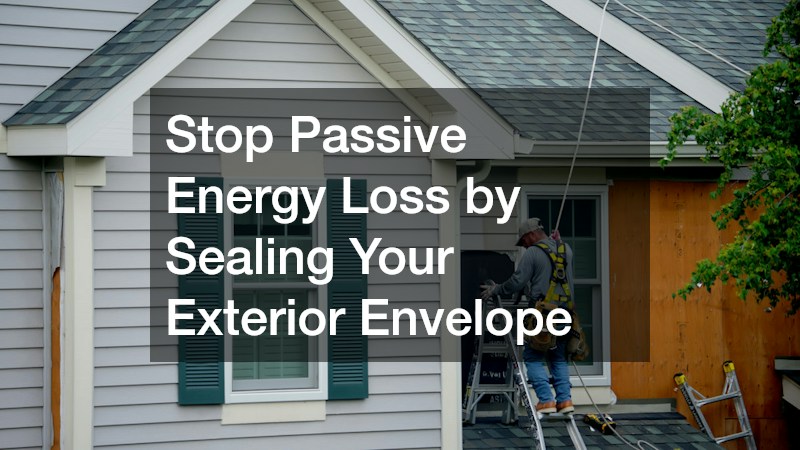
You can invest heavily in the most advanced, hyper-efficient climate control systems on the market, but if your home’s exterior envelope is compromised, you are essentially pouring money and energy directly out into the street. The exterior envelope—comprising the roof, walls, doors, and windows—acts as the physical boundary separating your conditioned indoor air from the harsh outdoor elements. Keeping that meticulously heated or cooled air inside the home is the ultimate key to preventing your mechanical systems from overworking and wasting continuous streams of energy.
Older, single-pane glass is notorious for allowing heat to bleed rapidly out of a house during the winter and seep inward during the summer. Upgrading these weak points is critical. Investing in high-quality, dual-pane or triple-pane window replacements that feature advanced low-emissivity coatings and argon gas fills will actively stop thermal transfer dead in its tracks. This structural upgrade ensures that your furnace and air conditioner only have to run in short, efficient bursts rather than continuous, energy-draining marathons.
To properly seal your home’s exterior, focus on the following core areas:
- Wrap the exterior effectively: A home’s exterior cladding acts as its primary skin against the elements. Consider partnering with reputable siding companies to install heavy-duty insulated vinyl or durable fiber cement boards, which create a tight thermal break and prevent wind washing through your wall cavities.
- Master the art of weatherstripping: For a highly effective DIY approach, thoroughly check the sweeps at the bottom of all your exterior doors. Apply thick, durable weatherstripping to block immediate drafts that rob your home of its conditioned air.
- Seal the fenestration gaps: The microscopic gaps between your window frames and the surrounding drywall are prime locations for energy loss. Use a high-quality, paintable silicone caulk to meticulously seal these borders, blocking hidden micro-drafts.
- Audit your entry points: Regularly inspect the weather seals around your garage doors and basement hatchways, as these utilitarian access points are frequently overlooked sources of massive thermal bleeding.
Choose Sustainable, Long-Lasting Materials to Prevent Landfill Buildup
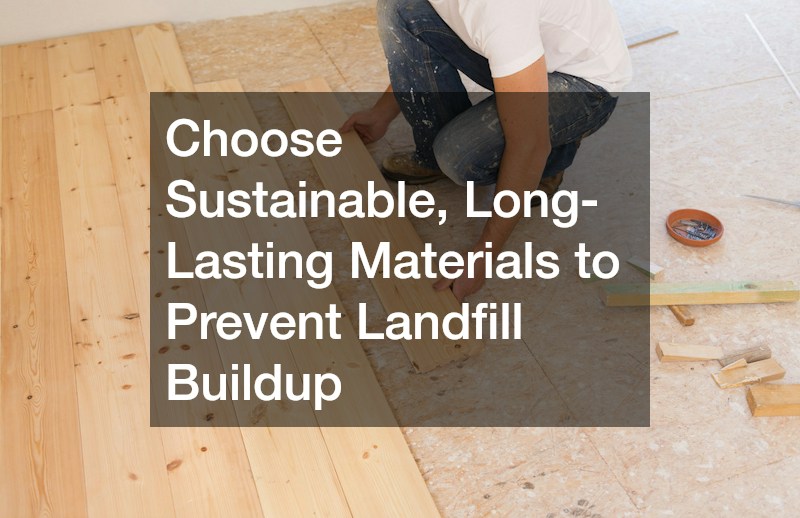
When we discuss reducing household waste, the conversation naturally gravitates toward daily consumables like food packaging and paper towels. However, one of the largest and most destructive contributors to modern landfills is construction and renovation debris. The cycle of purchasing cheap, trendy interior materials only to rip them out and throw them away a few years later creates an unsustainable loop of manufacturing emissions, resource depletion, and physical trash. Reducing construction waste demands a commitment to selecting durable, eco-friendly interior materials that are designed to last for generations.
This philosophy begins with the hidden materials that keep your home functional. Trapping conditioned air efficiently relies heavily on the state of your attic and basement. Leaving these areas under-protected guarantees constant thermal waste. It is highly recommended to utilize professional insulation services to blow in thick layers of eco-friendly, sustainable materials like recycled cellulose or natural sheep’s wool. These organic materials stop heat from escaping through the roof without relying on the toxic chemicals frequently found in traditional fiberglass batts.
When updating your visible interior, follow these sustainable guidelines:
- Prioritize sustainable foundations: The lifecycle of your flooring is a massive factor in your home’s total waste output. Strongly avoid cheap, petroleum-based laminates and thin vinyl sheets that easily warp, scratch, and inevitably end up piled in municipal landfills after just five to seven years of use.
- Demand eco-conscious floor installation by choosing highly renewable materials like rapid-growth bamboo, heavily durable reclaimed hardwood, or natural linoleum made from oxidized linseed oil and cork dust. Doing the job right the first time permanently prevents future material waste.
- Embrace timeless aesthetics: Avoid hyper-trendy tiles and fixtures that will look dated within a decade. Choosing classic, neutral, and highly durable materials ensures you won’t feel the urge to execute another wasteful remodel anytime in the near future.
- Repurpose before you replace: Before tearing out wooden cabinets or solid doors, consider refinishing, repainting, or refacing them. Salvaging the existing structural bones of your home’s interior prevents hundreds of pounds of usable wood from being destroyed.
Transforming a standard house into a highly optimized, low-waste home requires looking past the recycling bin and addressing core infrastructure. By prioritizing strict water conservation, aggressive energy optimization, meticulous exterior envelope sealing, and the use of truly sustainable building materials, homeowners can virtually eliminate the invisible waste streams that plague modern living.
While some of these comprehensive updates undeniably require an upfront financial investment, it is crucial to maintain a long-term view. The drastic, permanent reduction in your monthly utility bills, combined with the massive drop in your household’s total ecological footprint, makes these upgrades both financially brilliant and environmentally imperative. You do not need to tackle everything at once to make a difference. Choose just one room, one appliance, or one mechanical system to audit this coming weekend, and take that vital first step toward a flawlessly efficient, profoundly sustainable living space.