
Property ownership represents one of the most significant financial investments an individual will make, yet preserving a home’s equity requires far more than surface-level cosmetic upkeep. While minor tasks like painting trim or sweeping walkways can be handled by homeowners, maintaining structural integrity, utility efficiency, and long-term resale value demands professional expertise. Partnering with skilled trade specialists ensures that core structural, mechanical, and surface systems are regularly serviced to prevent compounded deterioration, minimize emergency repair expenses, and protect long-term market value.
Phase 1: Shielding the Exterior Shell and Site Sub-Structures
1. Maintaining Overhead Weather Barriers and Drainage Systems
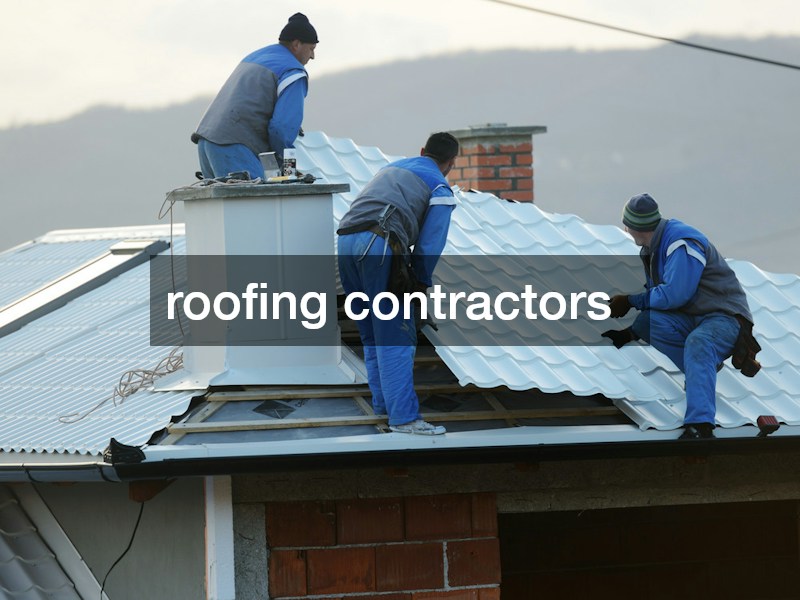
The primary defense system of any residential structure is its overhead barrier. Continuous exposure to extreme UV rays, thermal expansion, high winds, and heavy precipitation gradually degrades exterior materials. When roofs fail, water intrusion rapidly damages rafters, rots structural decking, ruins attic insulation, and causes severe drywall staining inside living spaces. Catching minor shingle or flashing degradation early prevents catastrophic structural moisture damage.
To maintain optimal protection overhead, homeowners should establish a relationship with reputable roofing contractors to perform multi-point evaluations, check valley seals, and replace compromised materials before seasonal storms hit. In tandem with primary roof coverings, proper rainwater redirection is essential. Scheduling routine maintenance with a reliable gutter cleaning service prevents clogged downspouts, stopping overflow water from spilling down exterior walls, rotting wooden fascia boards, or pooling around basement footings.
-
Inspections should cover all roof penetrations, including pipe boots, chimney flashings, and skylight seals, where water intrusion most frequently begins.
-
Keeping gutters clear of leaves and heavy organic sludge ensures rainwater flows directly into downspouts rather than backing up under edge shingles.
-
Proper attic ventilation and insulation balancing work alongside overhead coverings to prevent winter ice dams that strip away shingle edges.
-
Replacing missing shingles or worn sealant immediately preserves underlying decking and maintains the overall structural warranty of the home.
2. Safeguarding Foundations Through Sub-Surface Site Preparation
Sub-surface soil conditions play a direct role in preserving a home’s foundation and preventing structural settling. Uncontrolled groundwater, poor soil grading, and unmanaged runoff can exert immense hydrostatic pressure against basement walls, leading to dangerous bowing, vertical cracking, and interior water leaks. Managing earthwork and underground drainage around the site boundary requires specialized heavy machinery and technical engineering expertise.
When property owners notice persistent water pooling, soil erosion, or foundation seepage, contracting experienced excavation contractors is essential for regrading land, installing curtain drains, or trenching perimeter French drainage systems. For properties utilizing localized wastewater systems, underground infrastructure requires equal attention. Booking routine pumping and system inspections through a licensed septic service prevents tank overflows, averts costly drainfield failures, and protects nearby soil and groundwater from severe environmental contamination.
-
Precision site regrading directs surface water away from foundation footings, establishing a safe runoff slope across the entire yard.
-
Installing underground drainage pipes redirects heavy rain away from vulnerable concrete walls and down-slope landscape features.
-
Scheduled septic tank pumping every three to five years removes accumulated sludge, keeping drainfields porous and fully operational.
-
Professional site prep before major landscape additions prevents compaction that could alter natural groundwater migration toward the structure.
Phase 2: Restoring Structural Masonry and Enhancing High-Impact Surfaces
3. Preserving Load-Bearing Stonework and Ground-Level Hardscapes
Masonry features such as brick veneers, stone chimneys, concrete retaining walls, and paver entryways add substantial aesthetic and financial value to a property. However, because masonry materials are porous, they are highly susceptible to freeze-thaw cycles. Water penetrates micro-cracks in mortar and stone, expands upon freezing, and breaks down the structural bond, resulting in surface spalling, wall bowing, and water infiltration behind interior finishes.
Preserving these heavy architectural components requires hiring an expert masonry contractor to perform precision tuckpointing, structural re-anchoring, and hydrophobic sealant applications. Timely repairs protect load-bearing structures from gradual collapse while stopping water from migrating into living quarters. Furthermore, maintaining surrounding hardscapes through deep-cleaning regimens removes moss, algae, and chemical stains, preventing surface slippery hazards and extending the life of outdoor stone features.
-
Repointing worn mortar joints prevents moisture from seeping behind brick faces, stopping wall spalling during severe winter freezes.
-
Sealing natural stone and brick with breathable, water-repellent coatings shields exterior surfaces from acid rain and environmental staining.
-
Repairing cracked retaining walls restores soil stability, preventing slope movement from threatening adjacent structures or driveways.
-
Regular deep washing of stone pathways removes organic growth that traps moisture against vertical masonry walls.
4. Upgrading High-Impact Kitchen and Bath Fixtures
Kitchens and bathrooms serve as the primary drivers of interior property appraisal value. Among these spaces, countertops endure significant daily wear through heat exposure, heavy impacts, sharp utensils, and harsh cleaning chemicals. Stained, chipped, or outdated surfaces can reduce a home’s market appeal and create unhygienic seams where moisture and bacteria collect.
When upgrading or restoring these high-use areas, working with a professional countertop company ensures that durable stone materials like quartz, granite, or quartzite are accurately measured, cut, and sealed. Precision installation guarantees tight seams, smooth edge profiles, and proper support over lower cabinetry. Quality counter surfaces elevate the visual elegance of living spaces, simplify daily cleaning, and deliver one of the highest returns on investment during home resales.
-
Selecting non-porous engineered quartz or properly sealed natural granite prevents permanent staining from acidic foods and household liquids.
-
Professional undermount sink cutouts and edge polishing protect stone edges from chipping during daily kitchen tasks.
-
Seamless stone backsplashes create an impenetrable barrier that protects drywall from moisture and cooking grease accumulation.
-
Upgrading outdated laminate surfaces to natural or composite stone immediately increases functional kitchen utility and property appraisal value.
Phase 3: Optimizing Internal Utilities and Floor Surface Longevity
5. Servicing Core Mechanical Networks and Water Supply Lines

A home’s mechanical and plumbing infrastructure works silently behind walls to maintain indoor comfort, air quality, and access to clean water. Heating, cooling, and water delivery networks operate under constant operational stress. Neglecting these systems leads to skyrocketing utility bills, degraded indoor air quality, premature system breakdowns, and sudden pipe ruptures that cause thousands of dollars in water damage.
To maintain efficient climate control and low energy costs, homeowners should schedule seasonal system tune-ups through qualified HVAC services. Certified technicians clean coils, check refrigerant levels, calibrate thermostats, and evaluate ductwork integrity. On the plumbing side, retaining a licensed plumbing company to audit supply lines, test water pressure, and inspect shut-off valves stops hidden leaks early, preserves water pressure, and protects subflooring from undetected moisture rot.
-
Seasonal heating and cooling checkups keep equipment running efficiently, lowering monthly energy costs and prolonging mechanical lifespan.
-
Replacing air filters and cleaning supply ducts improves indoor air quality by removing dust, allergens, and airborne pollutants.
-
Regular plumbing inspections identify slow drips beneath sinks and behind appliances before they cause structural wood rot or mold.
-
Testing domestic water pressure prevents excessive line force from stressing pipe joints, supply hoses, and internal water valves.
6. Restoring and Maintaining Interior Flooring Systems

Flooring carries the weight of daily foot traffic, pet activity, furniture movement, and accidental spills. Over time, hardwood floors lose their protective seal, tile grout lines discolor, luxury vinyl planks dislodge, and carpets collect deeply embedded dirt and allergens. Worn or stained flooring immediately detracts from a home’s interior appeal and can negatively impact property appraisals during a sale.
To maintain beautiful, long-lasting floors, property owners should partner with reputable flooring companies for structural floor prep, hardwood refinishing, or new material installations. For carpeted areas, routine vacuuming is not enough to pull fine grit from deep within carpet fibers. Booking deep extraction treatments with a professional carpet cleaning provider removes embedded debris, eliminates odors, restores pile texture, and significantly extends the service life of textile floor coverings.
-
Professional subfloor leveling before new hard-surface installation prevents squeaks, plank separation, and premature wear across seams.
-
Refinishing solid hardwood floors restores protective topcoats, shielding raw timber from scratches, water spots, and sunlight fading.
-
Commercial hot-water extraction removes deep-seated soils from carpets, preventing abrasive dirt from cutting synthetic pile fibers.
-
Sealing tile grout lines prevents liquid spills and dirt from penetrating porous grout, keeping tiled areas clean and stain-free.
Phase 4: Long-Term Capital Planning and Property Valuation
7. Establishing Preventive Multi-Trade Service Logs
Effectively managing a residential property requires transitioning from reactive emergency repairs to a structured, proactive maintenance plan. Waiting for equipment to fail or structural components to breach leads to higher repair expenses, emergency service surcharges, and secondary property damage. Proactive planning keeps maintenance manageable and budget-friendly, spreading costs predictably over time rather than absorbing sudden financial hits.
Creating a dedicated maintenance registry allows homeowners to track contractor visits, warranties, service dates, and recommended future repairs across every major system. By organizing service schedules seasonally, property owners can catch minor issues—such as hairline masonry cracks, slow plumbing drips, or loose gutter brackets—long before they turn into major structural failures. Establishing relationships with preferred, verified trade contractors ensures prompt service and consistent craftsmanship year after year, giving you reliable access to trusted professionals when demand spikes during severe weather seasons.
-
Documenting all trade visits, material receipts, and inspection reports provides a complete historical record of home care. Keeping invoices, permits, and product spec sheets organized in a central repository verifies that installations meet local building codes and maintains active manufacturer warranties.
-
Scheduling seasonal property walkthroughs helps identify minor exterior wear before winter freezing or summer heat exacerbates damage. Inspecting seals, drainage pathways, and structural surfaces during spring and autumn allows you to catch material fatigue early and schedule routine repairs before severe weather arrives.
-
Setting aside a dedicated annual maintenance fund ensures money is available for routine mechanical servicing and surface updates. Budgeting approximately 1% to 3% of your home’s total value each year for ongoing care prevents deferring essential maintenance due to short-term budget constraints.
-
Maintaining direct contact with trusted local trade specialists streamlines emergency responses when unexpected repairs arise. Establishing ongoing service relationships means contractors already know your property’s history, hardware specifications, and system layouts, enabling faster troubleshooting and priority scheduling during emergency service calls.
8. Maximizing Resale Valuation and Buyer Confidence
When placing a home on the market or applying for a mortgage refinance, an appraiser’s valuation and a prospective buyer’s perception determine the final financial outcome. Real estate appraisals evaluate both structural soundness and system condition, meaning unaddressed issues directly lower your property’s baseline appraisal. A home that shows clear signs of deferred maintenance—such as stained carpets, aging roofs, cracked driveways, or outdated mechanicals—often receives lower valuations and lower buyer offers, as buyers factor in the cost of immediate repairs.
Conversely, presenting verified documentation of professional trade work instills confidence in buyers and home inspectors. Documented maintenance history proves that major property systems were maintained by licensed contractors using industry-standard materials rather than temporary DIY fixes. Providing official permits, transferrable warranties, and detailed contractor receipts proves that the home was cared for by qualified specialists using quality materials. This level of transparency eliminates buyer hesitation, justifies premium listing prices, accelerates the closing process, and maximizes the net equity returned to the homeowner.
-
Presenting a clean service binder with receipts and warranties validates the exceptional condition of major systems during appraisal reviews. Organizing past service invoices, municipal permits, and trade certifications gives appraisers hard evidence of capital improvements, directly supporting higher valuation assessments.
-
Transferrable contractor warranties on roofs, mechanical systems, and major stone surfaces offer tangible financial security to buyers. Offering long-term warranties that transfer directly to new owners removes future financial uncertainty and creates a strong competitive advantage over similar neighborhood listings.
-
Demonstrating continuous professional upkeep eliminates inspector red flags, reducing buyer demands for costly repair credits. Providing proof of routine system servicing reassures home inspectors that underlying infrastructure is sound, minimizing mid-escrow price renegotiations or repair requests.
-
Highlighting recent upgrades to kitchen surfaces, flooring, and climate control allows sellers to command top-tier market pricing. Showcasing newly installed durable countertops, refinished floors, and modern HVAC equipment captures high buyer interest and supports aggressive, top-of-market asking prices.
Protecting and growing your home’s equity requires a combination of routine owner diligence and specialized trade expertise. From maintaining overhead weather barriers and site sub-structures to upgrading interior surfaces and optimizing core utilities, every proactive investment contributes to long-term structural resilience. By building lasting partnerships with certified, reputable trade contractors and maintaining detailed service records, you safeguard your property against unexpected degradation, maintain daily living comfort, and maximize your financial return for years to come.