
Home maintenance is easy to postpone when everything appears to be working properly. A small drip, a minor crack, or a little bit of wear may not seem urgent when there are countless other responsibilities competing for attention. However, many expensive home repairs begin with problems that were once relatively simple to address.
Taking a proactive approach to home improvement can help homeowners protect their property, maintain comfort, and avoid unnecessary stress. Regular inspections and timely repairs can also make it easier to identify potential problems before they affect larger areas of the home. The goal is not to constantly renovate or replace things that are still functioning. Instead, homeowners should learn to recognize warning signs and address them while solutions are still manageable.
In this article, we will explore practical ways to improve and maintain your home before minor issues turn into major repairs, from protecting the structure and preventing moisture problems to maintaining outdoor areas and keeping important systems functioning properly.

Pay Attention to Early Warning Signs
One of the most effective ways to protect a home is to pay attention to changes. Homeowners often become accustomed to how their property normally looks, sounds, and feels, which means unusual changes can provide an early warning that something needs attention.
A new stain on a ceiling, for example, could indicate a moisture problem above it. A door that suddenly becomes difficult to close might point to shifting, moisture, or another structural concern. Unusual odors, unexplained increases in utility bills, strange sounds from appliances, or changes in indoor temperature can also provide clues.
Instead of dismissing these signs, make a habit of investigating them. Not every unusual change requires an expensive repair, but determining the cause early can prevent a minor issue from becoming more complicated.
It can help to keep a simple home maintenance record. Write down when you notice a problem, what you observed, and whether it was repaired. This creates a useful history and can make it easier to identify recurring issues.
Protect the Roof and Exterior
The roof is one of the home’s most important defenses against weather. Even a small area of damage can allow moisture to enter the structure, potentially leading to problems that extend beyond the original issue.
Homeowners should periodically inspect the roof from a safe location for missing, cracked, curling, or damaged shingles. Look for signs of water intrusion in the attic and upper levels of the house as well. Dark stains, damp insulation, or musty odors may warrant further investigation.
Professional inspections can provide another layer of protection. Experienced roofers can identify damage that may be difficult for a homeowner to see from the ground.
If repairs are necessary, addressing them promptly is generally preferable to waiting until water begins entering the living space. A qualified roofing contractor can evaluate the condition of the roof and determine whether a repair, maintenance work, or larger project is appropriate.
The exterior deserves attention as well. Inspect flashing, vents, gutters, and areas where different materials meet. Keeping these components in good condition can help direct water away from vulnerable parts of the home.
Keep Water Away From the Foundation
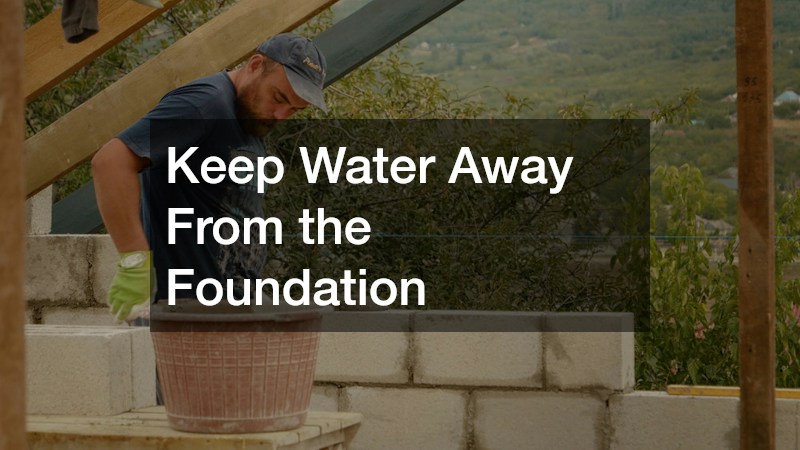
Water management is one of the most important aspects of preventing long-term home damage. Rainwater that collects around the foundation can contribute to moisture intrusion, erosion, and other issues.
Start by checking gutters and downspouts. Gutters should remain clear of leaves and debris so rainwater can flow freely. Downspouts should direct water away from the foundation rather than allowing it to collect directly beside the house.
Pay attention to the slope of the soil surrounding the property. Landscaping that gradually directs water toward the home may need to be adjusted. Standing water after rainfall can be an indication that drainage needs improvement.
Inside the home, watch for damp areas in basements, crawl spaces, and other lower-level areas. A persistent musty smell or visible moisture should not be ignored.
If you notice signs of a moisture-related problem, addressing the source is essential. Simply cleaning up visible damage without determining where the moisture originated can allow the underlying issue to continue.
Address Plumbing Problems Early
Small plumbing problems rarely become better on their own. A faucet that drips, a toilet that runs continuously, or a slow drain may initially seem like a minor inconvenience, but these issues can waste water and sometimes signal a larger problem.
Pay attention to water pressure, unusual noises, damp cabinets, discoloration, and water stains. Check beneath sinks periodically and look around appliances that use water for signs of leaks.
If a problem involves a pipe, fixture, or hidden leak, a plumber can help identify the source and recommend an appropriate repair.
Homeowners should also know where the main water shutoff is located. In the event of a major leak, knowing how to stop the water quickly can help limit damage while professional assistance is arranged.
Preventive maintenance is especially important in areas where freezing temperatures can affect plumbing. Insulating vulnerable pipes and preparing outdoor fixtures before winter can reduce the risk of freeze-related damage.

Maintain Heating and Cooling Systems
Heating and cooling systems play a major role in household comfort, but homeowners often overlook them until they stop working. Routine maintenance can help identify issues before they become major failures.
Replace or clean filters according to the requirements of the system and household. A dirty filter can restrict airflow and make equipment work harder. Homeowners should also pay attention to unusual noises, inconsistent temperatures, strange odors, or unexplained changes in energy use.
Regular professional maintenance can provide an opportunity to identify worn components and other concerns. HVAC systems contain mechanical and electrical components that may require specialized knowledge to inspect and service properly.
Keeping outdoor equipment clear of leaves, branches, and other debris can also support proper airflow. Avoid placing objects too close to outdoor units.
The goal of maintenance is not simply to keep the system running. It is also about recognizing potential issues before an inconvenient breakdown occurs during extremely hot or cold weather.
Watch for Moisture and Mold
Moisture problems deserve immediate attention because prolonged dampness can affect building materials and indoor conditions. Leaking pipes, roof damage, condensation, poor ventilation, and flooding are among the potential sources of unwanted moisture.
Regularly inspect bathrooms, kitchens, basements, laundry areas, and other locations where water is commonly present. Check caulking around tubs and showers and replace deteriorating seals when necessary.
Ventilation is also important. Bathroom exhaust fans should effectively remove moisture, while kitchen ventilation can help reduce humidity generated during cooking.
If significant mold growth develops or a property has experienced substantial water damage, professional mold remediation services may be appropriate. Addressing visible growth without resolving the moisture source can allow the problem to return.
Preventing moisture problems in the first place is generally easier than repairing extensive damage later. Small leaks and ventilation concerns should therefore receive attention rather than being treated as minor inconveniences.
Keep Exterior Walls in Good Condition
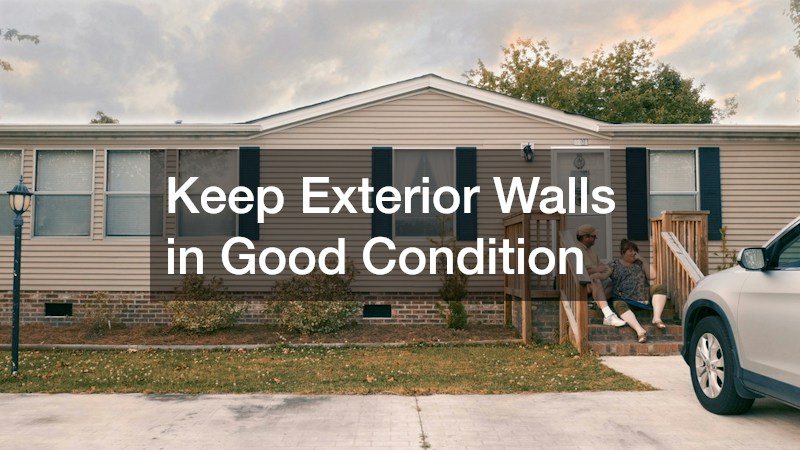
The exterior walls of a home protect the interior from rain, wind, temperature changes, and other environmental conditions. Damage to siding can create opportunities for moisture to reach areas that are not designed to remain wet.
Inspect exterior walls periodically for cracks, warping, loose sections, fading, or other changes. Pay particular attention around windows, doors, corners, and areas where different materials meet.
Small areas of damage may be repairable, but extensive deterioration may require professional evaluation. A siding contractor can assess the exterior and determine whether individual sections can be repaired or whether replacement would provide a better long-term solution.
Cleaning exterior surfaces carefully can also help homeowners spot developing problems. However, avoid using cleaning methods that could damage siding or force water into vulnerable areas.
Keeping exterior walls maintained is an investment in both appearance and protection. A well-maintained exterior can help prevent minor weather-related concerns from developing into larger structural issues.
Improve Outdoor Drainage and Landscaping
Landscaping can contribute significantly to how water moves around a property. Plants, soil, walkways, retaining walls, and other features should be designed with drainage in mind.
Look for areas where water consistently pools after rain. If a walkway or patio has settled and now directs water toward the home, it may eventually create moisture concerns.
A hardscaping project can also be an opportunity to improve drainage while making an outdoor area more functional. Before adding patios, retaining walls, walkways, or other features, consider how the project will affect water flow around the property.
Trees and large shrubs deserve attention as well. Branches that touch the roof or exterior walls can cause physical damage and provide pathways for moisture. Roots may also affect certain structures, depending on their location.
Thoughtful landscaping is about more than appearance. When planned properly, outdoor improvements can contribute to drainage, accessibility, safety, and long-term property maintenance.
Check Fences and Property Boundaries
Fences experience constant exposure to sunlight, rain, wind, snow, and temperature changes. Over time, posts can shift, materials can deteriorate, and gates may become difficult to operate.
Walk around the property periodically and inspect fence posts, connections, gates, and individual sections. Look for leaning posts, cracks, rot, loose hardware, or areas where the fence has separated from its supports.
Different fencing materials require different maintenance. For example, vinyl fencing can provide a low-maintenance option, but it should still be inspected for cracks, impact damage, and loose components.
Addressing a damaged fence section early may prevent additional sections from becoming unstable. It can also improve property security and keep pets or children safely within designated areas.
Maintain the Garage and Garage Door
The garage is often one of the busiest parts of a home, yet its maintenance can be overlooked. Garage doors contain moving components that experience repeated use throughout the year.
Pay attention to unusual noises, jerky movement, uneven operation, or delays when the door opens and closes. Inspect visible hardware and make sure the area around the door remains clear.
Homeowners should not attempt repairs involving high-tension components unless they have the appropriate expertise. These systems can be dangerous when handled incorrectly.
Professional garage door companies can inspect the system and identify problems involving springs, tracks, openers, rollers, or other components.
It is also worth keeping the garage organized. Clear pathways can make it easier to notice leaks, cracks, pests, or other developing concerns. Good organization can therefore support maintenance as well as convenience.
Maintain Driveways and Hard Surfaces
Driveways and walkways take significant abuse from vehicles, weather, moisture, and temperature changes. Small cracks can develop over time and may become larger when water enters and freezes.
Inspect paved surfaces regularly for cracks, potholes, crumbling edges, and drainage problems. Addressing small areas of deterioration early can help preserve the overall surface.
For larger repairs or resurfacing projects, asphalt contractors can evaluate the condition of a driveway and determine what type of work may be appropriate.
Do not overlook walkways and steps. Uneven surfaces can become tripping hazards, particularly for children, older adults, and visitors.
Outdoor maintenance should also include patios, retaining walls, and other hard surfaces. Keeping these areas level, stable, and properly drained can help reduce both safety concerns and future repair costs.
Create a Seasonal Maintenance Routine
One of the easiest ways to stay ahead of home problems is to divide maintenance into seasonal tasks. A large list can feel overwhelming, but smaller checklists make responsibilities easier to manage.
In spring, inspect the roof, gutters, exterior surfaces, drainage, landscaping, and outdoor fixtures. Summer can be a good time to monitor cooling systems, exterior paint or siding, decks, patios, and outdoor structures.
Fall maintenance may include cleaning gutters, preparing plumbing for colder temperatures, inspecting the roof before winter, and trimming branches away from the home. Winter is a useful time to monitor for ice dams, frozen pipes, unusual heating problems, and moisture concerns.
Keep track of completed tasks so you know when inspections and maintenance were last performed. You can also schedule recurring professional appointments for systems that require specialized care.
Know When to Call a Professional
DIY maintenance can be useful for simple tasks, but homeowners should know when a problem requires professional attention. Trying to fix a complicated electrical, structural, roofing, plumbing, or mechanical issue without appropriate knowledge can create additional damage or safety risks.
A professional can often identify the underlying cause rather than simply addressing the visible symptom. This distinction matters because a temporary fix may not solve the problem.
When choosing a service provider, look for appropriate licensing, insurance, experience, clear communication, and strong references or reviews. Keep contact information for trusted professionals in an easily accessible location.
Having a few reliable contacts before an emergency occurs can make homeownership considerably less stressful.
Improving a home before small problems become major ones is largely about consistency. Regular inspections, preventive maintenance, and prompt attention to warning signs can help homeowners protect their property while avoiding unnecessary repairs.
A proactive approach does not require completing every project at once. Start with the areas that have the greatest potential to affect safety, comfort, or structural integrity, then work through smaller maintenance tasks over time.
By making home care part of your regular routine, you can keep your property functioning well, identify concerns earlier, and create a more comfortable and dependable place for your family.