Home efficiency is no longer just about energy-saving light bulbs or upgrading insulation. Water usage, plumbing performance, and overall system design play a major role in how efficiently a household runs on a daily basis. From showers and sinks to appliances and irrigation systems, plumbing affects both utility bills and resource consumption in ways many homeowners overlook until problems arise. Small inefficiencies in water systems can quietly increase monthly costs, reduce comfort, and even shorten the lifespan of major household appliances.
Modern homes rely on complex plumbing networks that must balance pressure, flow, and temperature control. When these systems are outdated or poorly maintained, inefficiencies can build up over time.
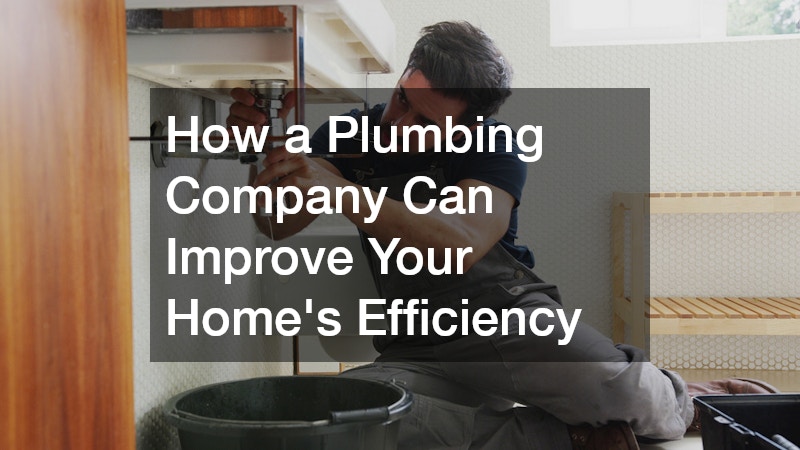
Leaks, slow drainage, inconsistent water temperature, and high water usage are all signs that a home is not operating at peak efficiency. Addressing these issues early can lead to significant long-term savings and improved daily comfort. A professional plumbing company can help identify hidden inefficiencies and recommend targeted upgrades that improve overall system performance.
Identifying Hidden Water Waste in the Home
One of the biggest challenges in improving home efficiency is detecting hidden water waste. Many leaks and inefficiencies are not immediately obvious, yet they can waste thousands of gallons of water over time. Slow drips from faucets, running toilets, and underground pipe leaks often go unnoticed until utility bills begin to rise unexpectedly.
A detailed inspection of the home’s water system can reveal these issues early. Pressure testing, infrared technology, and system audits help locate inefficiencies that would otherwise remain hidden. Once identified, these problems can be addressed before they lead to structural damage or excessive water consumption.
In many cases, outdated fixtures are also a major contributor to water waste. Older toilets, showerheads, and faucets tend to use significantly more water than modern low-flow alternatives. Upgrading these components can immediately improve efficiency without requiring major renovations.
Upgrading Fixtures and Appliances for Efficiency
Modern plumbing fixtures are designed with water conservation and performance in mind. Low-flow showerheads, dual-flush toilets, and aerated faucets reduce water usage while maintaining strong performance. These upgrades are often simple to install but can make a noticeable difference in monthly water bills.
Appliances such as dishwashers and washing machines also play a major role in household water efficiency. Newer models are engineered to use less water and energy while delivering better cleaning results. When combined with efficient plumbing systems, these appliances contribute to a more sustainable home environment.
Another important consideration is water heating efficiency. Traditional water heaters often consume large amounts of energy, especially if they are outdated or improperly maintained. Tankless water heaters or high-efficiency storage systems can significantly reduce energy waste by heating water only when needed.
Reducing Energy Waste Through Smart Plumbing Design
Water and energy efficiency are closely connected. Heating water accounts for a significant portion of household energy use, meaning inefficient plumbing systems can drive up utility costs. Insulating pipes, optimizing water heater placement, and reducing heat loss are all effective ways to improve energy performance.
Smart plumbing technology is also becoming more common in modern homes. Leak detection systems, digital water monitors, and automated shutoff valves help homeowners track usage and prevent waste in real time. These systems provide valuable insights into consumption patterns and allow for faster response to potential issues.
Sustainable design choices, such as greywater recycling systems, can further improve efficiency. These systems reuse water from sinks, showers, and laundry for irrigation purposes, reducing overall water consumption without sacrificing functionality.
Enhancing Overall Home Comfort and Performance
Improving plumbing efficiency does more than reduce utility bills—it also enhances daily comfort. Consistent water temperature, strong pressure, and reliable fixtures all contribute to a better living experience. When systems function properly, homeowners spend less time dealing with disruptions and more time enjoying their space.
Efficient plumbing also supports other areas of home performance. Appliances run more effectively, bathrooms and kitchens function smoothly, and water-related stress on the home is reduced. Over time, these improvements contribute to a more reliable and enjoyable living environment.
Working with a trusted plumbing company ensures that improvements are implemented correctly and tailored to the specific needs of the home. Professional evaluation and installation help maximize both short-term efficiency gains and long-term system performance.
Home efficiency depends on more than just visible upgrades—it requires a well-designed and properly maintained plumbing system that supports daily water use without waste. From identifying hidden leaks to upgrading fixtures and improving pipe systems, every improvement contributes to lower utility costs and better overall performance.
Modern solutions such as smart monitoring systems, efficient water heaters, and low-flow fixtures make it easier than ever to reduce waste while maintaining comfort. However, achieving the best results often requires professional insight and long-term planning.
By focusing on maintenance, upgrades, and system design, homeowners can significantly improve both water and energy efficiency. With the help of a skilled plumbing company, it becomes possible to create a home that is not only more efficient but also more comfortable, reliable, and sustainable for years to come.