
Planning a home renovation can feel overwhelming, especially when you’re trying to balance budget, timelines, and the vision you have for your space. Without a clear plan, even small projects can spiral into costly and stressful experiences. That’s why taking the time to map out every phase, from initial ideas to final walkthrough, can make all the difference.
This guide walks you through every step of the renovation process, giving you practical strategies, expert-level insights, and actionable tips to help you stay organized, on budget, and in control from start to finish.
Define Your Renovation Goals and Priorities Clearly

Before you hire anyone or spend a dollar, you need a clear understanding of what you want to accomplish. Many renovation issues stem from vague goals or constantly changing direction, which can create confusion for both you and your contractors and lead to unnecessary costs.
Start by identifying the main purpose of your renovation. Are you trying to improve how your home functions day to day, modernize outdated areas, or increase your home’s resale value? Each of these goals requires a different approach, and being clear about your intent will guide every decision that follows.
It helps to break your goals into two categories:
- Must-haves : These include essential upgrades such as fixing structural issues, addressing safety concerns, or replacing outdated systems. For example, repairing a leaking roof or updating faulty wiring would fall into this category. These are non-negotiable and should be prioritized early in the planning process.
- Nice-to-haves: These are upgrades that enhance comfort or aesthetics but are not critical. Think of features like upgraded finishes, decorative lighting, or luxury additions. While these can elevate your space, they should only be pursued once your essential needs are covered.
You should also think about how your needs may evolve in the future. For example, if you plan to stay in your home long-term, prioritize comfort, accessibility, and durability. If selling is your goal, focus on upgrades that appeal to a wide range of buyers.
Creating a vision board or saving inspirational images can make your ideas more tangible. This not only helps you stay focused but also ensures that everyone involved in the project understands your expectations from the beginning.
Set a Realistic Budget and Explore Financing Options
A successful renovation starts with a well-thought-out budget. Many homeowners underestimate costs by focusing only on materials and overlooking labor, permits, and unexpected repairs. A detailed budget gives you a realistic picture of what your renovation will truly cost.
You should divide your budget into key categories such as labor, materials, design, permits, and contingency funds. Setting aside an extra 10,20% for unexpected issues is essential, as surprises are common once construction begins.
If your savings don’t fully cover the project, personal loans can be a flexible way to fund your renovation. These loans are especially useful for mid-sized projects where quick access to funds is important.
Some benefits include:
- Fast approval timelines: Many lenders offer quick processing, allowing you to start your renovation sooner rather than waiting months to secure funding.
- Predictable monthly payments: Fixed repayment schedules make it easier to plan your finances and avoid unexpected fluctuations.
- No home equity required: Unlike some financing options, you don’t have to use your property as collateral, which reduces risk.
However, it’s important to carefully review interest rates and repayment terms. Borrowing should support your renovation goals, not create financial strain after the project is complete.
To stay on track financially, gather multiple quotes and track expenses closely throughout the renovation. Small cost overruns can add up quickly if they’re not monitored.
Build the Right Team of Skilled Professionals
The team you hire plays a major role in determining how smoothly your renovation goes. Skilled professionals not only deliver better results but also help prevent costly mistakes and delays.
Depending on your project, you may need a combination of general contractors, specialized remodeling services, and finishing experts, such as a house painter. Each professional contributes to a different phase, so choosing experienced individuals is critical.
When evaluating contractors, take the time to:
- Verify licenses and insurance: This protects you from liability and ensures the contractor meets local requirements and standards.
- Review past work and portfolios: Examining completed projects provides insight into their style, quality, and attention to detail.
- Speak with previous clients: Honest feedback from past customers can reveal how reliable and communicative the contractor is.
- Request detailed estimates: A clear breakdown of costs helps you avoid hidden fees and better understand what you’re paying for.
Working with a full-service remodeling service can simplify complex renovations by managing multiple project aspects under one roof. On the other hand, a skilled house painter ensures that your space looks polished and professionally finished once the major work is complete.
Good communication is just as important as technical skill. You want a team that is responsive, transparent, and willing to address your concerns throughout the process.
Plan Structural and Exterior Improvements Early

Structural and exterior upgrades should always be addressed before moving on to interior work. These elements form the foundation of your home and protect everything inside it.
If your roof shows signs of aging or damage, a roof replacement should be a top priority. Ignoring roofing issues can lead to leaks, mold, and structural damage that will compromise your entire renovation.
Similarly, hiring a local masonry service can help address issues with brickwork, stone features, or exterior walls. Masonry improvements not only strengthen your home but also enhance curb appeal.
When planning this phase, consider:
- Weather conditions: Exterior work often depends on favorable weather, so timing is critical to avoid delays.
- Permit requirements: Structural changes may require approvals, and failing to secure permits can lead to fines or project stoppages.
- Contractor coordination: Exterior and structural work often overlaps with other trades, so proper scheduling is essential.
Taking care of these essential upgrades early prevents future disruptions and ensures your renovation is built on a solid foundation.
Upgrade Foundations, Hardscaping, and Outdoor Features
Outdoor upgrades can dramatically improve both the usability and appearance of your property. These projects often require careful planning and specialized expertise to ensure long-lasting results.
A professional concrete contractor is essential for projects like driveways, patios, and walkways. Proper installation ensures durability and prevents issues like cracking or uneven surfaces over time.
If you’re considering adding a pool or outdoor entertainment area, experienced pool builders can guide you through the process from design to completion. These projects involve multiple steps, including permits, excavation, and installation, so working with experts is key.
When planning outdoor features, keep these factors in mind:
- Functionality: Think about how you’ll use the space daily-whether for entertaining, relaxing, or family activities.
- Drainage and grading: Proper water management prevents long-term damage and maintenance issues.
- Material durability: Choosing weather-resistant materials ensures your investment lasts for years.
Investing in outdoor upgrades not only enhances your lifestyle but also increases your home’s overall value.
Map Out Interior Renovation Phases Strategically
Interior renovations require a clear sequence to ensure everything runs efficiently. Starting tasks out of order can lead to delays, added costs, and unnecessary frustration.
Most renovations follow a general order:
- Demolition and structural changes: Removing old materials and making structural adjustments creates a clean slate for new work.
- Plumbing and electrical work: These systems must be installed early, as they are hidden behind walls and floors.
- Insulation and drywall: This stage prepares the home for finishing work and improves energy efficiency.
- Flooring, cabinetry, and finishes: These final steps bring the design together and complete the transformation.
One of the most impactful areas to prioritize is the kitchen. Well-planned kitchen updates can transform how you use your home while also boosting its value.
When planning your kitchen, focus on layout, storage, and workflow. Even small adjustments, like better cabinet placement or improved lighting, can significantly enhance functionality.
Careful scheduling and coordination between contractors help ensure each phase is completed on time. A structured approach keeps the entire renovation moving forward smoothly.
Improve Comfort with Smart Climate Control Solutions

Upgrading your home’s climate control system during a renovation can significantly improve comfort and efficiency. Older systems often struggle to maintain consistent temperatures and may consume more energy than necessary.
Professional HVAC services can evaluate your current setup and recommend upgrades that better suit your home’s layout and needs. This is especially important if you’re making structural changes that affect airflow.
In some cases, installing a ductless mini split heat pump is an excellent option. These systems provide efficient heating and cooling without extensive ductwork, making them ideal for additions or specific rooms.
Benefits of modern climate solutions include:
- Lower energy consumption: New systems are designed to operate more efficiently, reducing utility bills over time.
- Improved air quality: Advanced filtration helps remove allergens, dust, and pollutants from your home.
- Zoned temperature control: You can customize temperatures in different areas for greater comfort.
Planning these upgrades early ensures they integrate seamlessly into your renovation and don’t require costly adjustments later.
Create a Detailed Project Timeline and Milestones
A well-structured timeline is essential for keeping your renovation on track. Without one, it’s easy for delays to accumulate and push your project far beyond its expected completion date.
Start by breaking the project into clear phases and assigning realistic timeframes to each. Be sure to account for potential delays, such as material shortages or weather-related issues.
A strong timeline should:
- Outline each stage of the renovation: Clearly defining phases helps you and your contractors stay aligned on what needs to be completed and when.
- Include buffer time: Unexpected setbacks are common, so extra time prevents your schedule from falling apart.
- Align contractor availability: Coordinating schedules in advance prevents progress gaps and keeps the project moving.
Regular progress checks help you stay informed and make adjustments as needed. Staying proactive helps prevent small issues from turning into major delays.
Prepare Your Home and Family for the Renovation Process
Renovations can disrupt your daily routine, especially if you’re living in the home during construction. Preparing in advance helps reduce stress and maintain a sense of normalcy.
Start by setting up temporary living spaces for essential activities like cooking, sleeping, and working. Protecting your belongings from dust and damage is also important.
You may want to:
- Cover or relocate furniture: This prevents dust buildup and protects items from accidental damage.
- Seal off construction areas: Using plastic barriers can help contain dust and debris.
- Plan for noise and access limitations: Understanding when and where work will happen helps you adjust your schedule accordingly.
It’s also helpful to communicate clearly with everyone in your household. Knowing what to expect makes it easier to adapt to temporary inconveniences.
Monitor Progress and Stay Flexible Throughout the Project
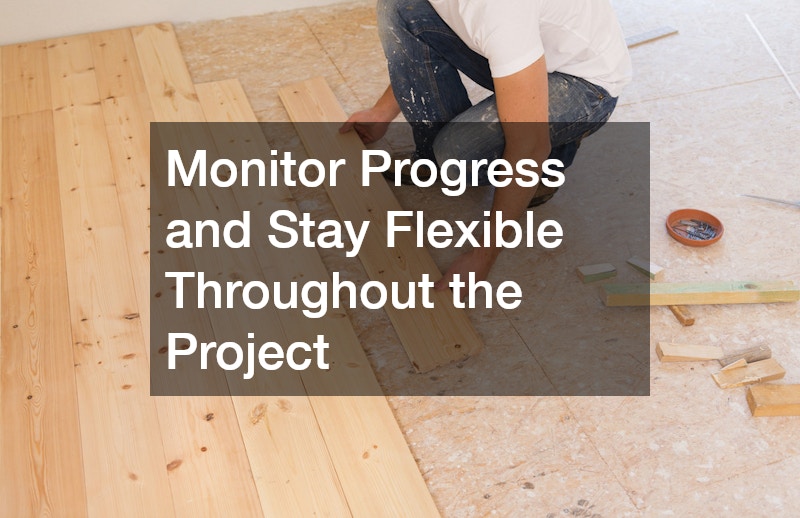
Even the most carefully planned renovations can encounter unexpected challenges. Staying involved and adaptable helps you keep things moving in the right direction.
Regular walkthroughs allow you to monitor progress and address concerns early. Open communication with your contractor ensures everyone stays aligned on expectations.
It’s also important to keep detailed records of:
- Expenses and payments: Tracking costs helps you stay within budget and identify any discrepancies.
- Changes to the original plan: Documenting adjustments prevents misunderstandings later.
- Agreements and approvals: Written records protect both you and your contractor.
Being flexible doesn’t mean losing control-it means being prepared to adjust while still staying focused on your overall goals.
Final Inspections and Finishing Touches That Matter
As your renovation nears completion, attention shifts to the final details that bring everything together. This stage is critical for ensuring that the finished product meets your expectations.
Conduct a thorough walkthrough and carefully inspect every aspect of the work. Look for small imperfections, incomplete tasks, or areas that need adjustment.
Create a punch list that includes:
- Minor repairs or corrections: These could include uneven surfaces, loose fixtures, or small installation issues.
- Touch-ups and finishing work: Paint corrections, trim adjustments, and detailing can significantly improve the final appearance.
- Outstanding items: Ensure all agreed-upon work has been completed before final payment.
Taking the time to address these details ensures your renovation feels complete and polished.
A successful home renovation doesn’t happen by chance-it’s the result of careful planning, smart decision-making, and consistent oversight. By taking a structured approach and staying engaged throughout the process, you can transform your home into a space that meets your needs, reflects your style, and adds long-term value.